Free English Programs or a Low-Cost App for Kids?
Free programs help with exposure, but many families still need a sub-$10 weekly speaking option when distance, waitlists, or schedules block daily practice.
What are the best value for money English apps for kids parents recommend?

AI applications deliver unlimited voice conversation for $1.15 per week, prioritizing daily speaking volume over basic flashcard memorization.
For parents measuring value, a low price tag matters less than the volume of actual speaking practice a child receives. Traditional private human tutors charge between $30 and $60 per hour, which quickly creates a financial bottleneck for daily immersion. In contrast, the shift toward a "Value-First" instruction model has made daily speaking practice highly accessible. The global English learning market, which surpassed $43 billion in late 2024, is now driven by affordable voice-practice tools (Practice Me, 2024).
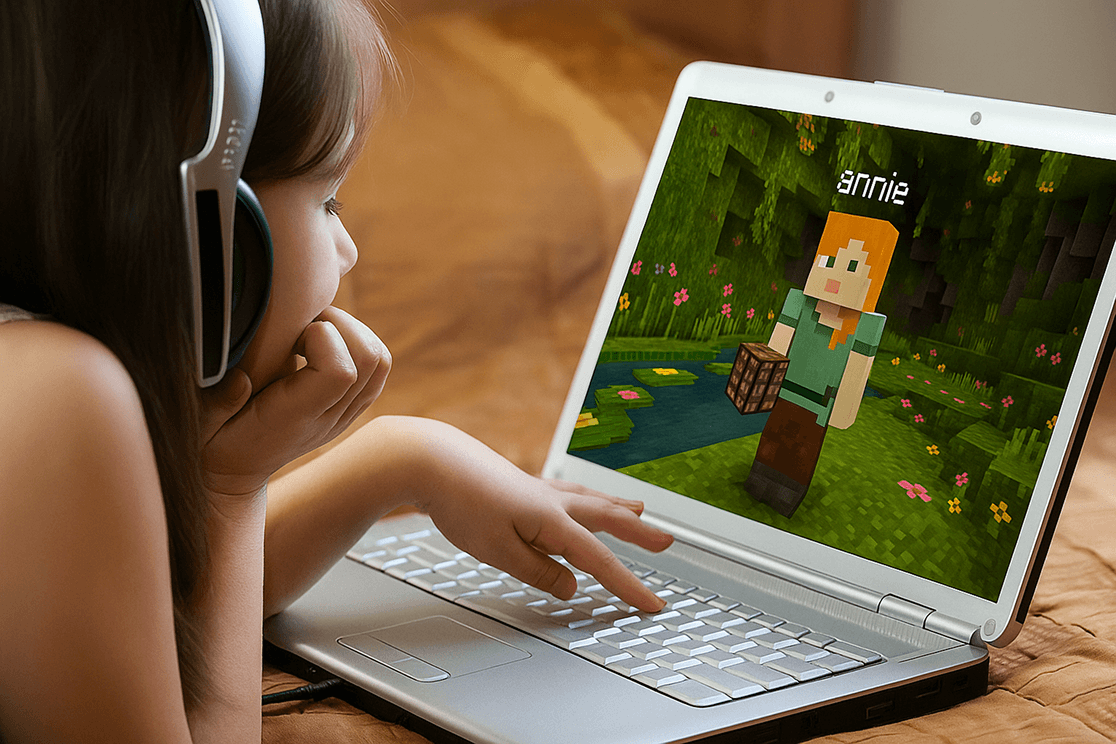
True value emerges from conversational repetition. Platforms like Practice Me cost approximately $59.99 annually, breaking down to just $1.15 per week for unlimited voice interaction. Tools focused on guided K-12 instruction, such as Khanmigo, range from $0 to $48 per year. For younger learners, Aleph Kids operates on a freemium model, offering 24/7 conversational play with Annie, an AI language buddy embedded directly inside Minecraft. This environmental approach removes the friction of scheduling formal lessons while ensuring children hit high speaking volumes autonomously.
How do free english immersion programs online compare to volunteer language exchange ESL in the USA?
Public institutions provide structured no-cost courses, but volunteer exchanges often lack the high-frequency speaking practice required for 10-month conversational fluency.
When deciding between public initiatives and digital tools, accessibility dictates the outcome. Major hubs offer strong local support; for example, the Los Angeles Community College District (LACCD) and LAUSD Adult Education supply structured, free noncredit ESL programs to residents (AmazingTalker, 2026). However, these classes often enforce strict schedules and face capacity limits, leaving gaps in daily speaking time.
Online volunteer language exchanges connect learners globally but struggle with consistency, as partner availability fluctuates and pedagogical oversight is absent. Generative language applications bridge this gap by offering reliable daily access without commuting or scheduling constraints.
| Program Type | Speaking Frequency | Supervision Need | Annual Cost (2026) | Access Reliability |
|---|---|---|---|---|
| Local ESL (LACCD/LAUSD) | 1-2 times weekly | Low (Teacher led) | $0 | Low (Waitlists apply) |
| Volunteer Exchanges | Variable | High (Safety/Focus) | $0 | Low (Scheduling varies) |
| Generative AI Apps | Daily / Unlimited | Low (Autonomous) | $60 - $240 | High (24/7 availability) |
| Minecraft AI Buddies (Aleph) | Daily / Unlimited | Low (Game-based) | Freemium | High (24/7 availability) |
Where can families find an affordable English tutor replacement under $10 per week?
Replacing a traditional $2,500 annual human tutor with a generative language app costs between $60 and $240 yearly while guaranteeing 24/7 access.
Budget-conscious families no longer face a binary choice between expensive private instruction and passive free resources. Traditional weekly tutoring frequently exceeds $2,500 per year, a figure that prices out many households. By migrating to an AI tutoring ecosystem, parents secure an 80% to 95% cost reduction without sacrificing educational quality (Fluently, 2026).
These savings align directly with performance improvements. A randomized controlled trial conducted by Harvard University researchers in 2025 demonstrated that students utilizing an AI tutor achieved more than twice the learning gains of peers in traditional active learning environments (Harvard/Fluently, 2025). Within a $10 weekly budget, families can comfortably stack multiple resources. For example, a student might utilize the Bachu 2026 free beta for Socratic K-8 homework assistance alongside a $1.15-per-week voice application for "speaking muscle memory."
How to budget for after school programs tutoring Lubbock Texas and beyond?
Local instruction fills immediate homework gaps, but allocating $5 monthly to an AI buddy sustains necessary speaking volume when public waitlists delay entry.
Community-college-hosted noncredit courses serve as the gold standard for zero-cost instruction across the United States. In cities balancing academic support with language acquisition, structured homework help modules keep K-12 students engaged with language-heavy subjects. However, reliance solely on community resources leaves children without daily conversational practice on weekends or during program closures.
To construct a reliable system, families use a tiered implementation strategy. Primary exposure occurs at local public venues or via free entry-level digital tools. Next, parents designate a strict sub-$10 weekly budget for conversational repetition. With traditional tutors demanding upwards of $40 per session, allocating just $1.15 weekly to a dedicated speaking tool ensures students remain on the 10-to-14-month fluency track. A simple budget worksheet for an effective hybrid model includes $0 for public foundational courses, $0 for freemium game-based immersion (like Aleph Kids), and up to $4.60 weekly for full generative curriculum platforms.
When is a low-cost app worth paying for instead of free resources?
Paid applications become necessary when families experience commuting barriers, institutional waitlists, or require daily conversational repetition beyond weekly community center exposure.
Relying entirely on free initiatives creates structural vulnerabilities in a child's learning routine. While community programs introduce vocabulary and grammar concepts effectively, they rarely offer the one-on-one speaking minutes necessary for rapid language acquisition. Paid digital environments remove the friction of scheduling, commuting, and competing for an instructor's attention in crowded rooms.
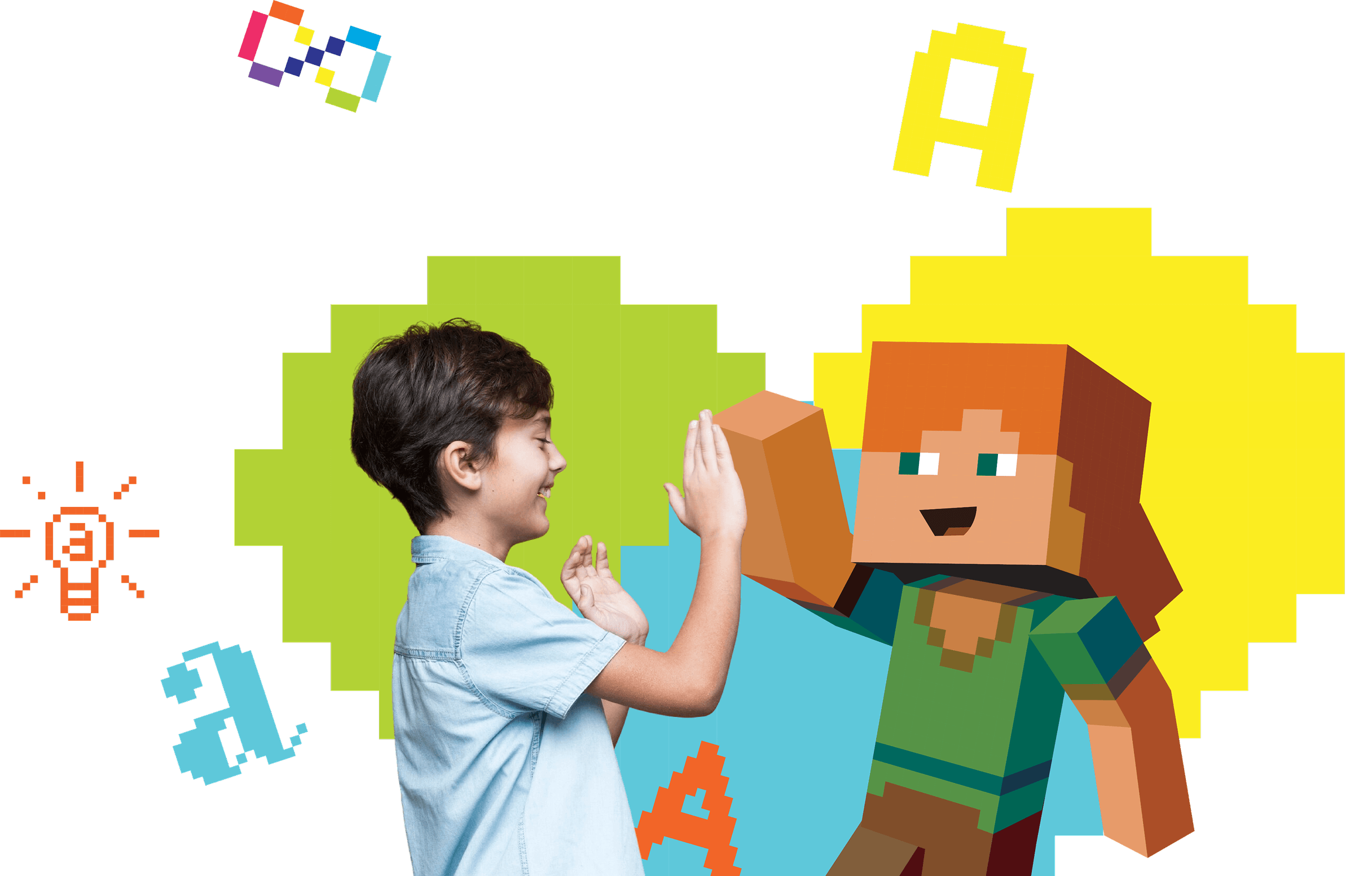
The most effective learning outcomes occur through hybrid models. A student attends a public school or local community class for foundational structure, then logs into an AI-powered platform for 30 minutes of unstructured voice practice at home. Aleph Kids facilitates this specific requirement by placing an interactive language buddy directly inside a game environment children already play daily. This strategy secures the required conversational volume, minimizes costs, and ensures language practice happens organically rather than feeling like a mandatory academic chore.
What are the long-term benefits of combining homework help programs Los Angeles with AI?
When families combine local in-person support with digital tools, they create a highly effective learning environment that addresses both immediate academic needs and long-term fluency goals. In areas where public institutions provide free foundational classes, adding a digital layer significantly accelerates how quickly students progress. At Aleph Kids, our internal data reveals that students who pair local weekly classes with daily game-based voice practice maintain much higher engagement levels and confidence over a full academic year. This is particularly crucial for young learners who might feel overwhelmed or shy in traditional classroom settings. By blending these modalities, families maximize the impact of their educational time while reducing overall frustration.
Many parents initially rely entirely on local resources for subjects requiring heavy language comprehension. While programs like LAUSD Adult Education supply structured, free noncredit ESL programs to residents (AmazingTalker, 2026), these classes often focus heavily on group dynamics, reading comprehension, and written exercises rather than individual speaking time. A hybrid model ensures that the new vocabulary and grammar structures learned in a physical classroom are immediately practiced in a low-pressure, conversational setting at home. This dual approach helps lock in new language concepts through repetitive, practical use, essentially building "speaking muscle memory" without the pressure of a formal test. By bridging the gap between passive listening and active speaking, students retain information much longer.
The financial advantages of this hybrid approach are just as compelling as the educational outcomes. While traditional private tutoring can easily drain a family's budget, the modern AI tutoring ecosystem offers affordable alternatives that fit into almost any financial plan without sacrificing quality. For instance, guided K-12 Socratic instruction platforms like Khanmigo cost between $0 and $48 per year, breaking down to a maximum of $0.92 weekly (Bachu, 2026). Families who require a broader, full-scale curriculum might opt for general AI tutors, which cost between $120 and $240 annually (Fluently, 2026). By utilizing free local homework help programs for core foundational structure and spending less than $5 a week on generative AI platforms, parents completely bypass the need for expensive private tutors, unlocking resources for other enrichment activities.
Beyond substantial cost savings, the consistency provided by a hybrid model actively prevents the common "weekend slide," where a child's language skills regress during days away from school. AI language buddies are available 24/7, meaning a child can seamlessly practice speaking on a Saturday morning, during a holiday break, or late in the evening. This continuous, self-paced exposure is what ultimately drives the timeline to conversational fluency down from two years to roughly one year. Families no longer have to choose between overspending on private lessons or settling for the slow progress of overcrowded public classes. Instead, they can effectively piece together a premium, highly effective language education using the absolute best value for money English apps alongside dedicated community resources, empowering their children to speak confidently in any academic or social setting.
FAQS
FAQ
What are the best value for money English apps for kids parents recommend?
Apps prioritizing unlimited voice conversation offer the highest return on investment. Generative tools like Practice Me cost $1.15 per week for unrestricted speaking practice, while platforms like Aleph Kids embed free conversational AI directly into Minecraft, delivering high-volume repetition without hourly tutoring fees.
What if there are no free after school programs near Vernon CA or homework help programs Los Angeles?
If local Los Angeles Community College District (LACCD) or LAUSD Adult Education programs are full or inaccessible, digital alternatives provide immediate coverage. AI platforms costing under $5 per week deliver personalized Socratic guidance and conversational practice, entirely bypassing institutional waitlists and commuting requirements.
Are free immersion programs enough for conversational fluency?
Standalone free public classes rarely provide sufficient one-on-one speaking time. According to industry research, reaching conversational fluency takes 18 to 24 months with traditional methods, but drops to 10 to 14 months when families supplement weekly classes with daily, low-cost generative voice practice (Fluently, 2026).
Where can I find an affordable English tutor replacement under $10 per week?
The generative AI ecosystem offers multiple options well below this threshold. Practice Me provides voice immersion for $1.15 weekly, Khanmigo offers guided instruction for $0 to $0.92 weekly, and freemium services supply unlimited AI conversational partners, eliminating the need for $2,500 annual private tutoring budgets.
How do I find after school programs tutoring Lubbock Texas?
Local community colleges and public library networks in Lubbock often host volunteer-led homework assistance and noncredit language sessions. When these are unavailable, families successfully substitute physical tutoring centers with beta platforms like Bachu or interactive AI game environments at zero or near-zero cost.
Explore Aleph Kids
See how daily conversational play accelerates fluency — explore Aleph Kids for free.